Geotechnical investigation in Fullerton forms the essential foundation for safe, durable, and code-compliant construction across residential, commercial, and public infrastructure projects. This category encompasses subsurface exploration techniques, soil and rock sampling, laboratory testing, and engineering analysis aimed at characterizing ground conditions before design or construction begins. In a seismically active region like Southern California, understanding what lies beneath the surface is not optional—it is a prerequisite for structural resilience. From single-family home additions to multi-story developments and roadway expansions, investigation services provide the data engineers need to make informed decisions about foundation types, retaining structures, and ground improvement strategies.
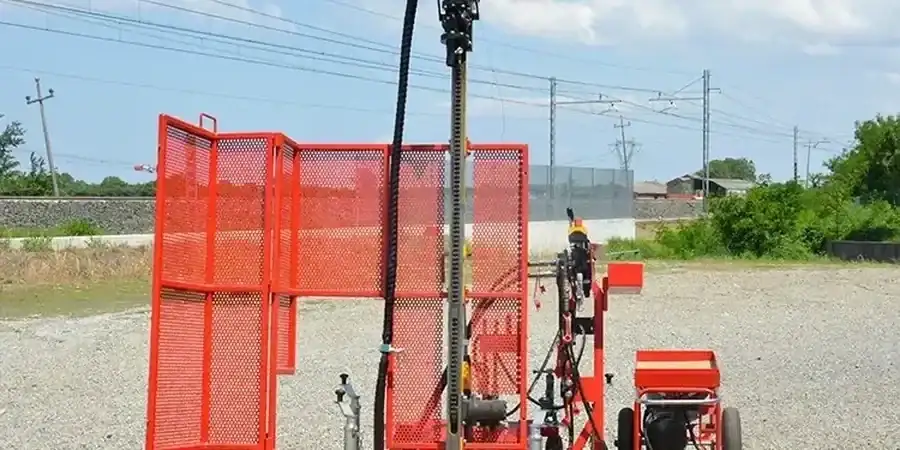
Fullerton sits within a geologically diverse portion of northern Orange County, where conditions can shift dramatically over short distances. Much of the city is underlain by Quaternary alluvial deposits from the Santa Ana River and its tributaries, consisting of interbedded sands, silts, and clays. However, the nearby Puente and Chino Hills introduce older sedimentary formations, including sandstone and shale, while localized areas may contain undocumented fill, expansive soils, or shallow groundwater. These variations demand site-specific exploration rather than reliance on regional assumptions. A properly executed Standard Penetration Test (SPT) remains one of the most widely used in-situ methods for evaluating soil density and consistency, providing blow counts that correlate directly with bearing capacity and liquefaction potential in Fullerton's alluvial basins.
Local regulatory compliance is governed primarily by the California Building Code (CBC), which adopts and amends the International Building Code (IBC) with state-specific seismic and geotechnical provisions. Chapter 18 of the CBC mandates geotechnical investigations for most structures, specifying minimum requirements for report content, site characterization, and foundation design parameters. The City of Fullerton's Building Division enforces these standards and may require additional investigation in areas prone to liquefaction, landsliding, or flooding as identified on Seismic Hazard Zone maps published by the California Geological Survey. Investigation reports must be stamped by a California-licensed Geotechnical Engineer or Civil Engineer with geotechnical competency, ensuring accountability and technical rigor throughout the permitting process.
Projects that typically trigger investigation requirements in Fullerton include new building construction, significant additions or remodels that increase structural loads, retaining walls over four feet in height, and any development within mapped hazard zones. Infrastructure work such as stormwater detention basins, slope stabilization, and pavement rehabilitation also relies heavily on subsurface data to prevent premature failure. Even smaller residential projects—like pool installations or accessory dwelling units—can benefit from targeted exploration to avoid costly surprises during excavation. The Standard Penetration Test often serves as a starting point for these investigations, providing reliable data that feeds directly into bearing capacity calculations and seismic settlement analyses required by Fullerton's plan review process.
Available services
Quick answers
When is a geotechnical investigation required for a project in Fullerton?
A geotechnical investigation is typically required for any new building construction, significant structural additions, retaining walls over four feet high, and projects within Seismic Hazard Zones as mapped by the California Geological Survey. The California Building Code Chapter 18 mandates these studies, and the Fullerton Building Division enforces submission of a stamped geotechnical report before issuing permits for most commercial and residential developments.
What types of soil conditions are commonly found in Fullerton?
Fullerton's subsurface conditions vary widely, including Quaternary alluvial sands, silts, and clays from the Santa Ana River system, along with older sedimentary formations like sandstone and shale near the Puente and Chino Hills. Expansive soils, undocumented fill, and shallow groundwater are also encountered in certain areas, making site-specific investigation essential for accurate foundation design.
What is the role of the Standard Penetration Test in a Fullerton investigation?
The Standard Penetration Test provides in-situ measurements of soil density and consistency by recording the number of hammer blows required to drive a sampler into the ground. In Fullerton, SPT data is used to estimate bearing capacity, assess liquefaction potential in alluvial soils, and inform seismic design parameters required by the California Building Code.
Who can perform and certify a geotechnical investigation in Fullerton?
Geotechnical investigations in Fullerton must be performed under the responsible charge of a California-licensed Geotechnical Engineer or a Civil Engineer with demonstrated geotechnical competence. The final report must bear the engineer's stamp and signature to comply with state licensing laws and the City of Fullerton's permit submission requirements.